Logistics and Supply Chain · Software development
Logistics and Supply Chain software, built by people who've done it before.
Fleet tracking, warehouse management, route optimization and supplier portals that cut cost and delivery times. Logistics software is operational software: it runs on a loading dock at 5 a.m., so we design for offline use, barcode scanners and people in gloves.
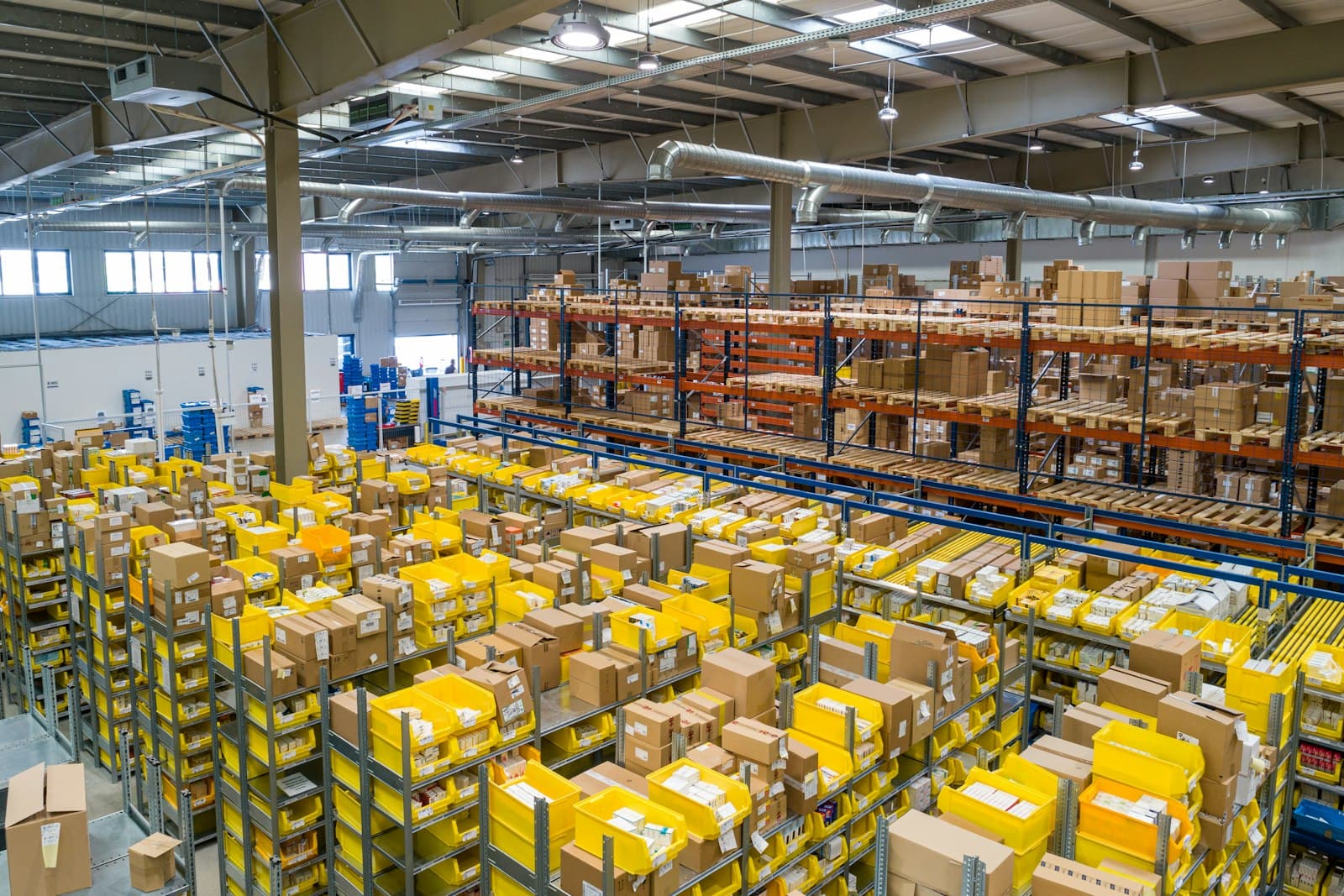
The realities of logistics and supply chain software.
- Drivers and warehouse staff work offline, on rugged devices, with no patience for slow apps
- Routes, stock and orders change by the minute and need real-time sync
- Integrations with carriers, ERPs and customs systems are brittle
- Managers need exceptions surfaced, not dashboards full of noise
Solutions we've delivered in this sector.
- Fleet tracking and driver apps
- Warehouse and inventory management
- Route planning and optimization
- Supplier, customer and carrier portals
- Real-time tracking and exception alerts
How we build logistics and supply chain software
Logistics software lives on the warehouse floor and in the cab, so it has to work with no signal, on devices that get dropped, and against carriers and ERPs that change their feeds without notice. We build offline-first mobile apps with conflict handling, scanning on rugged Android and consumer phones, and integration layers with contract tests on every feed. The field patterns come from projects such as the body-camera operations platform, where footage from officers on patrol is uploaded through a field API and turned into evidence, and Solas, which replaced paper forms and spreadsheets with a tracked operations workflow. We have not published a logistics case study yet; the delivery management software page covers the fleet and last-mile builds we scope most often.
Compliance and integration checklist
- Offline-first mobile apps with conflict handling for drivers and warehouse staff
- Barcode and QR scanning on rugged Android devices and consumer phones
- Route optimisation with OR-Tools and map APIs honouring time windows and capacity
- Carrier, ERP and customs integrations with contract tests on every feed
- Real-time tracking with exception alerts rather than noisy dashboards
- Audit trails for stock movements, deliveries and returns
- Reporting for on-time delivery, utilisation and cost per drop
How we usually help logistics and supply chain clients.
Products we've shipped, and what happened next.
Case studies written from the technical documentation of each project: the stack, the scale and the outcome.


Logistics and Supply Chain questions, answered.
Do your mobile apps work offline?
Yes. Offline-first sync with conflict handling is a core pattern in our logistics work.
Can you integrate with our ERP?
Yes, including SAP, Odoo and custom ERPs, with contract tests on every integration.
Can you optimize routes?
We build route optimization on OR-Tools and map APIs, tuned to your constraints such as time windows and vehicle capacity.
Other industries